New Class L Fire Classification: BS ISO 3941:2026
31 July, 2026
The release of the new classification BS ISO 3941:2026 marks a key update to fire safety guidance.
This includes the introduction of a new fire classification, Class L.
In fact, this is the first new fire classification since Class F (fires involving cooking oils and fats) was introduced, all the way back in 1996.
Class L has been introduced specifically to cover fires that involve lithium-ion cells and batteries.
As lithium-ion technology becomes increasingly common – featuring across a wide range of workplaces, in electric vehicles, cordless power tools, battery energy storage systems, and many more – the risks associated with these batteries are increasing rapidly.
So, with the introduction of Class L, the aim is for businesses to be in a better position to recognise and manage these risks, and implement best practice fire safety measures in their sites.
What does Class L cover?
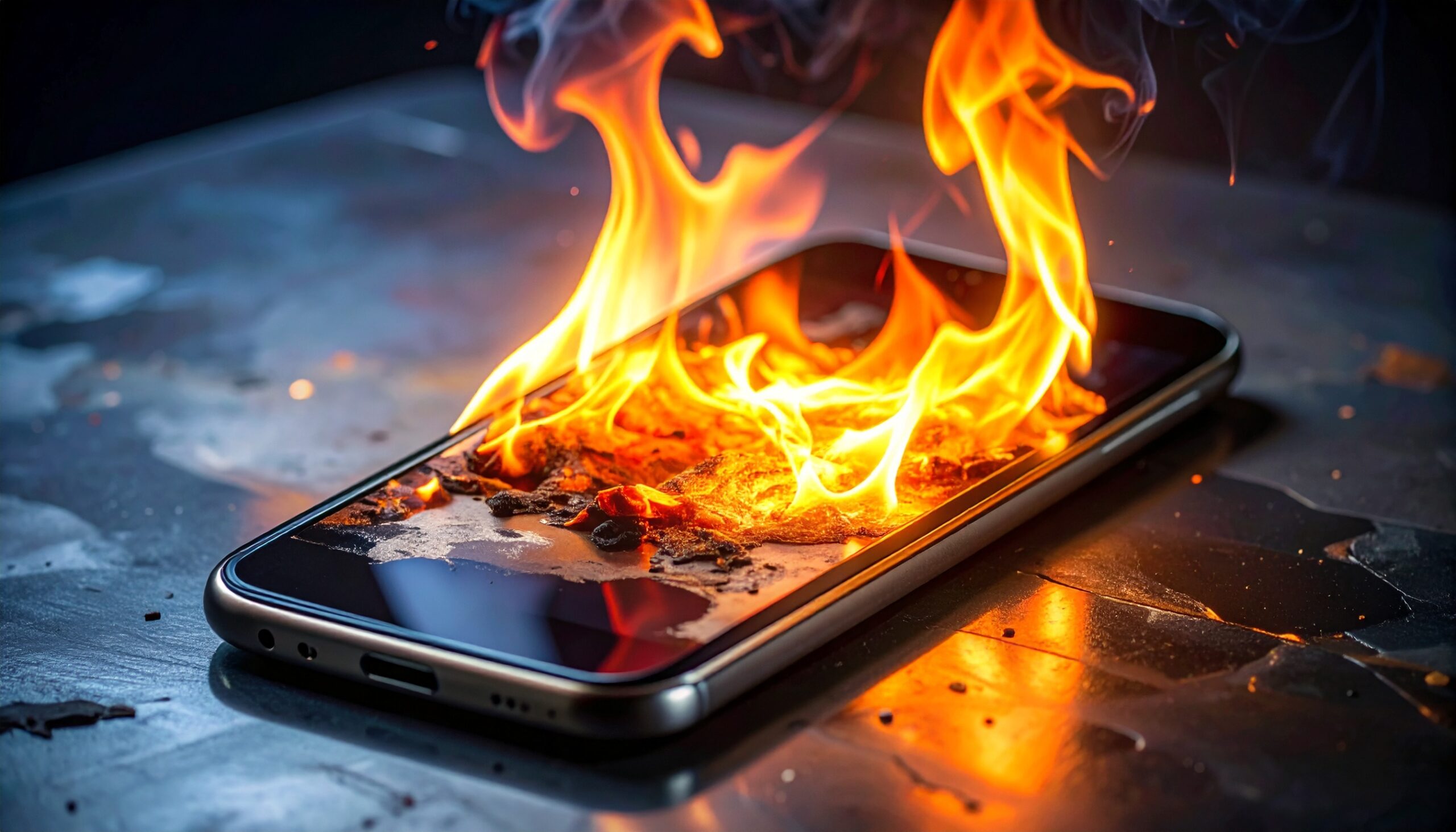
Class L covers fires that involve lithium-ion cells and batteries.
These fires are unique to almost any other type of fire, which is why they require their own classification.
This is because lithium-ion batteries can fail, through a process called thermal runaway. This is a chain reaction, during which the battery generates extreme heat at the same time as it releases flammable gases.
As a result, these fires can develop extremely quickly, prove very difficult to handle or control and can even reignite after they appear to have been extinguished.
Why was Class L introduced?
When the existing fire classifications were developed, lithium-ion batteries were used far less widely than they are today.
Now, they are commonly used across almost all workplaces.
For example, these batteries feature in:
- Electric vehicles
- E-bikes and e-scooters
- Cordless power tools
- Warehouse handling equipment
- Battery energy storage systems
- Portable electronic devices
As the use of these batteries has increased, so has the number of fires that are caused by damaged, defective or incorrectly charged batteries.
Due to these unique qualities of this fire type, lithium-ion battery fires need their own specific approach to fire safety planning and risk management.
With the introduction of Class L, this formally recognises these differences, and cements them within the UK’s fire classification system. This will make it easier for businesses to consider lithium-ion battery fires as part of their overall fire safety risk management.
Does this affect fire extinguishers?
The introduction of Class L doesn’t change the core legal requirement, which is for businesses to provide suitable fire extinguishers.
Businesses need to continue providing extinguishers that are appropriate for the hazards present within their site. Site managers also need to ensure that they are correctly positioned, regularly maintained and professionally serviced.
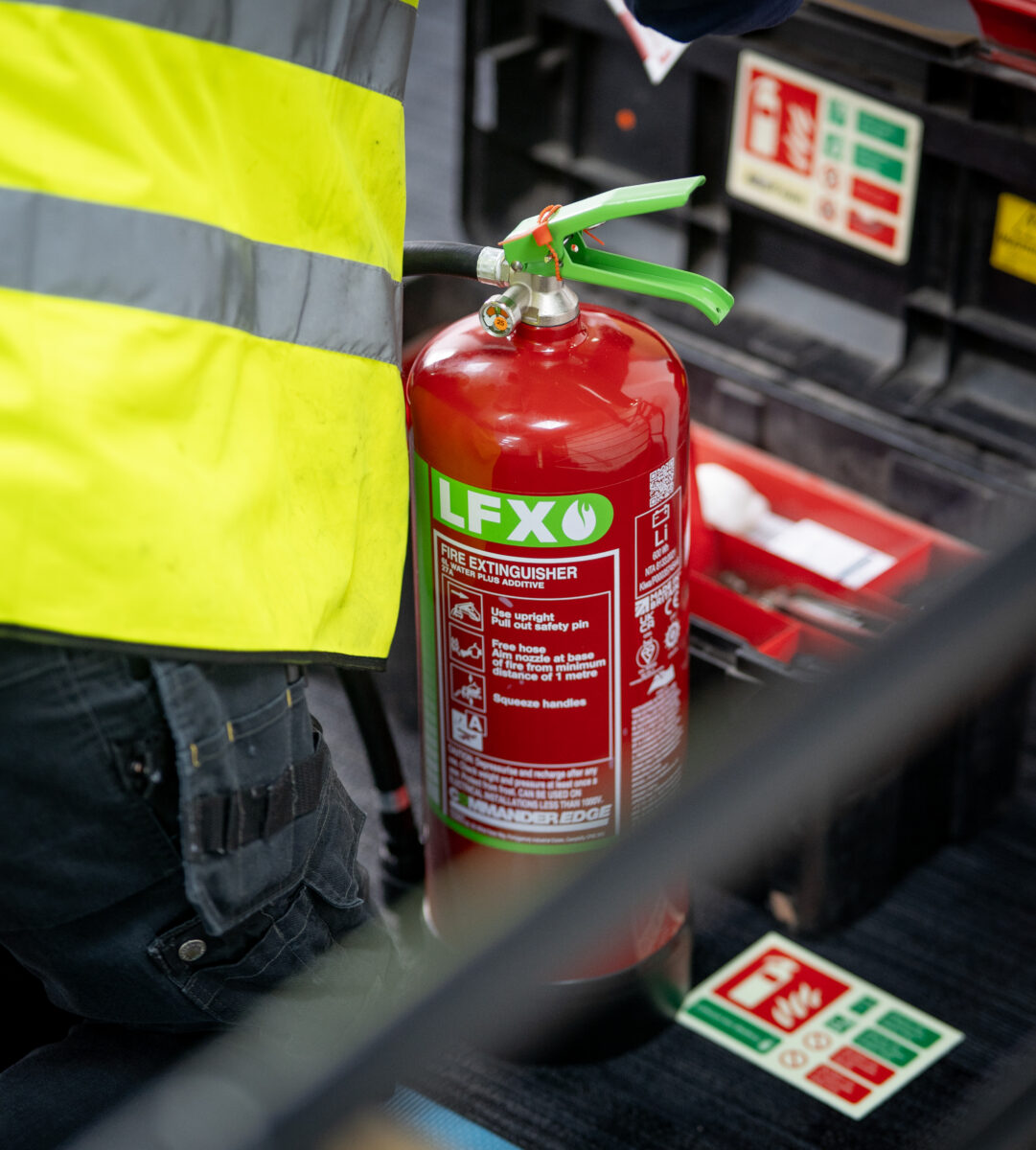
There are also specialist fire extinguishers that are designed for lithium-ion battery fires. These Lithium Battery Fire Extinguishers can help to provide further protection in sites where these batteries are present.
Do I need to update my Fire Risk Assessment?
If your organisation uses or stores lithium-ion batteries, then Yes, you do need to update your fire risk assessment.
With the introduction of Class L, your business’s Fire Risk Assessments must identify lithium-ion battery hazards wherever they exist.
Any sites with EV chargers, e‑bike storage, tool charging banks, warehouse equipment, or battery energy storage systems must update their documentation, to ensure regulatory compliance.
By reviewing and updating your Fire Risk Assessment, you can ensure that these hazards have been properly considered and that suitable control measures, emergency procedures and firefighting equipment are in place.
At Target Fire Protection, we support businesses across the UK with fire risk assessment and lithium-compatible extinguisher services.
With the assistance of our expert team, you can ensure your business is fully prepared for the introduction of Class L.
To find out more about how we can support your business and enhance your fire safety standards, don’t hesitate to get in touch.